Journal ·
What Is Chinese Medicine? A Plain Guide to Acupuncture, Herbs, Moxa and Cupping
Chinese medicine is more than needles. Here's how acupuncture, herbs, moxa and cupping fit together, what a practitioner is actually looking for, and what it means to be registered.
people often arrive thinking they have booked "acupuncture" and leave realising they have met a whole system of medicine. needles are the famous part. they are not the only part. so here is the plain version of what Chinese medicine is and how the pieces fit.
One system, several tools
Chinese medicine is a tradition of health care that has been practised and written about for more than two thousand years. It looks at a person as a whole, body and mind together, and in relationship with the seasons and the life they are living. The tools below all come out of that one way of seeing.
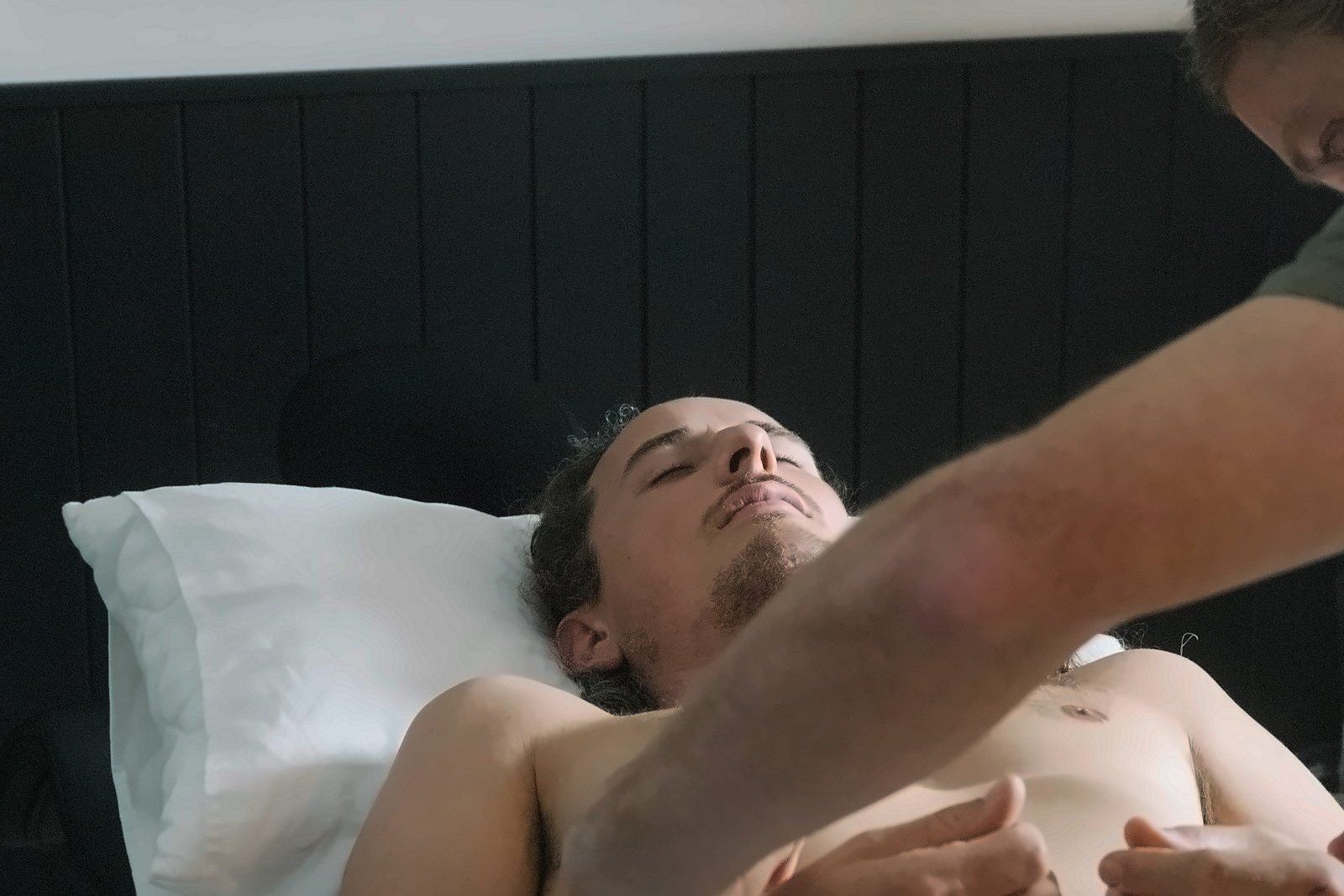
- Acupuncture. Very fine needles placed at specific points. We practise a gentle Japanese style, with thinner needles and a lighter touch.
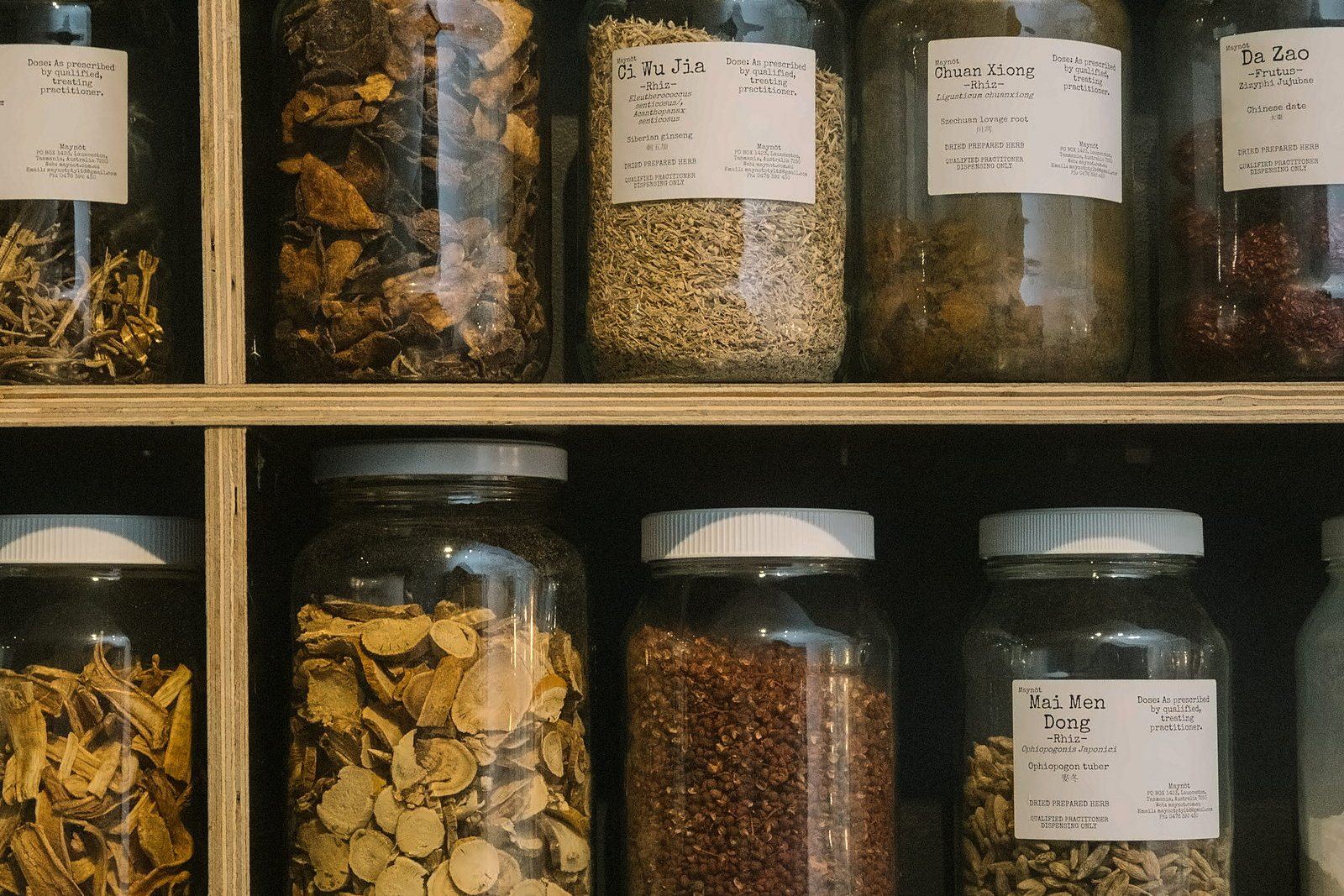
- Chinese herbal medicine. Formulas made from several herbs working together, put together for the person and not pulled off a shelf.
- Moxibustion. A warming therapy using the herb mugwort, held near the skin.
- Cupping. Gentle suction with glass or silicone cups, traditionally used to ease muscle tension.
What a practitioner is actually doing
The first thing you will notice is how many questions we ask. Sleep, appetite, digestion, energy, temperature, mood. We will usually feel the pulse at both wrists and have a look at your tongue. None of it is random. In Chinese medicine these are ways of reading the overall pattern of how your body is running, and that pattern is what the treatment is built around.
It is also why two people who walk in with what sounds like the same concern can leave having had quite different sessions.
Some words you will hear
- Qi. Often translated as energy. The tradition's word for the movement and activity that keeps everything going.
- Channels, or meridians. The pathways along which acupuncture points are mapped.
- Yin and yang. Rest and activity, cool and warm, the pairs that are meant to stay in balance.
These are the tradition's own terms and its own way of describing the body. You do not need to believe in or understand any of it to come in. Plenty of people just know they feel settled on the table.
Who is allowed to practise it
In Australia, Chinese medicine is a regulated health profession. Acupuncturists and Chinese herbal medicine practitioners must be registered with the Chinese Medicine Board of Australia through AHPRA, which means a recognised qualification, ongoing education and professional standards to meet. You can look up any practitioner on the public AHPRA register.
Reanna and Alastair are both registered, and their registration numbers are on our about page.
Does it replace my GP?
No. Chinese medicine sits alongside your regular health care. Keep seeing your doctor, keep taking anything you have been prescribed, and always tell us what medications you are on, especially before taking herbs.
Where to start
You do not have to choose a treatment before you come. Book a first appointment, tell us what is going on, and we will talk through what suits you before we begin. Book online any time, or text 0406 660 720.
Ready when you are.
First appointments run 90 minutes, so there is room to hear the whole picture before anything else happens.
More from the journal
Keep reading.
How Much Does Acupuncture Cost? A Straight Answer
What acupuncture costs with us in Coolangatta, why sessions are priced the way they are, and how health fund rebates and HICAPS change what you actually pay.
Scared of Needles? Why Japanese-Style Acupuncture Barely Feels Like Anything
if the idea of needles makes you tense up, you're not weird, you're normal. here's why Japanese-style acupuncture feels like almost nothing, and how we keep it gentle.
Liver Season Is Here: How to Move With Spring (TCM Style)
Spring is in the building, which means Liver season is here. Here's why Traditional Chinese Medicine reads the seasons, the signs your Qi might be stuck, and the simple medicine of greens, movement and letting it out.